I first thought about the co-evolution theory about a year to a year and a half ago, I think.
How does a fungus learn and evolve? Here is what Grok says:
Candida albicans “learns” to deal with different situations by:
Using genetically encoded responses to change shape, fuel sources, or enter dormancy based on environmental cues like pH, temperature, and oxidation levels.
Employing signaling pathways to sense and react to its surroundings.
Exhibiting short-term memory through stress adaptation, enhancing survival after initial exposures.
This remarkable adaptability, honed by evolution and sometimes adjusted within its lifetime, allows Candida albicans to thrive in diverse and challenging environments.
But, I think this takes it further. For it to know what to do when at multiple points along the way over decades, AND for the body to have a specific way of responding to each change that then inevitably leads to the next change point for candida, something more than one-sided learning is involved.
Unstable systems are not uncommon. However, inducing an unstable state into a living system that goes through a multitude of different distinct phases over decades is much less common. How did this dance originate?
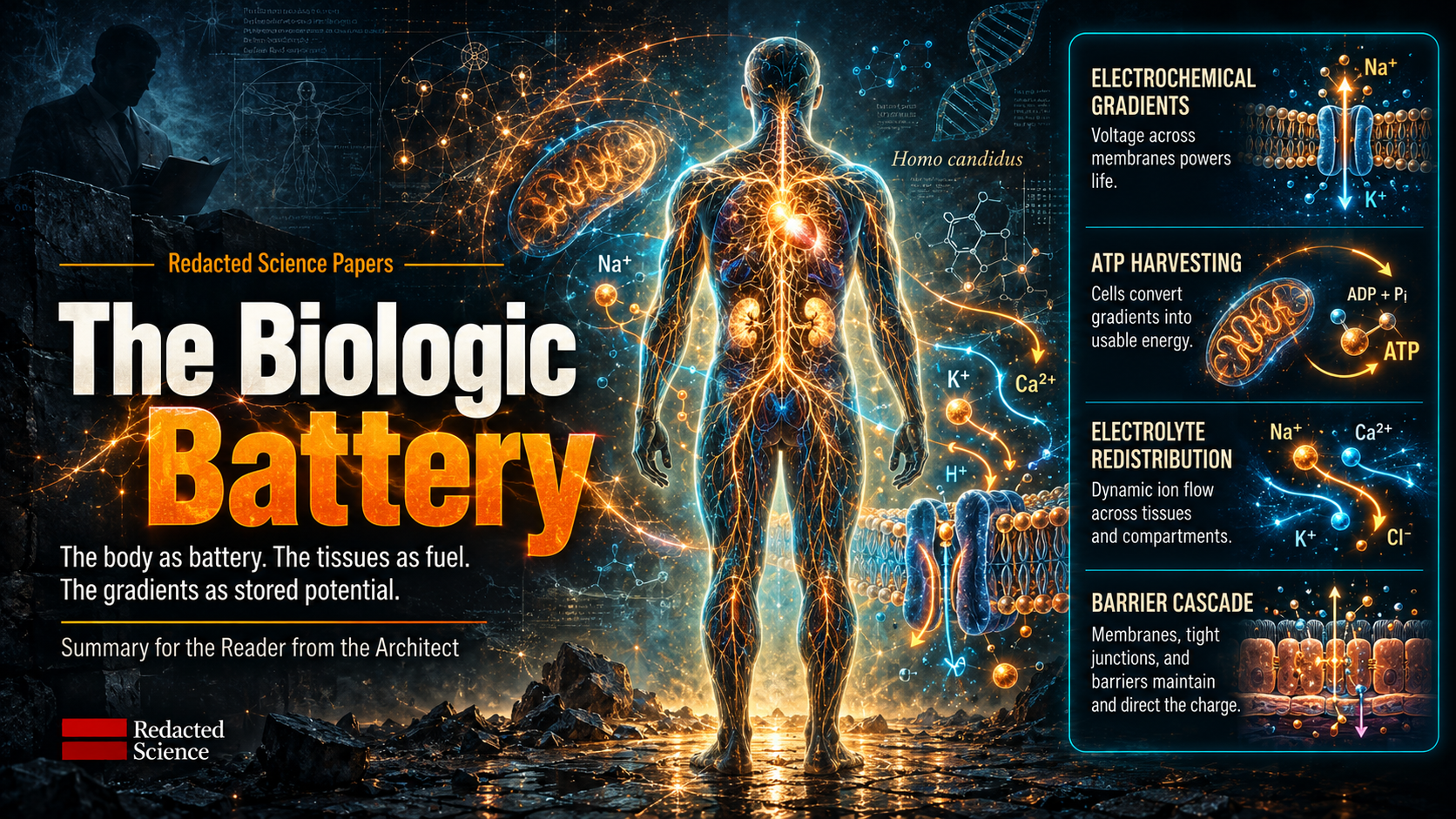
It didn’t originate with just a human or some candida and I don’t think it’s a coincidence. I have to think that, at some point I’m the history of man, this was a common symbiosis. The candida maximizes the ATP it can consume by taking the long route. It is forced out of the circulatory system and into cells, starting at the dermal layer, then moving through various systems and essentially forcing the body to take down the protrctive barriers one at a time.
While I know I’m right about the pituitary driving the condition because I read the original article 30 years ago when I reproduced the life prolonging treatment on myself, I asked Grok:
Could the pituitary, in theory, if put into a hyperactive state by some intervention or exogenous event, begin controlling autonomic functions more directly via the hormones it regulates? I know some of the hormones have secondary effects or impacts that might, at first glance, be overlooked for such things.
Ask him that in Think mode and you basically get a resounding yes. With some cool science. The article really played up these secondary effects of the hormones. I think they are key to understanding it.
I’ll try to share the link to Grok.
https://grok.com/share/c2hhcmQtMg%3D%3D_7c2df1fb-0002-44af-a876-2036c25c1e85